
The state allows the Wal-Mart store’s developers to bury the tortoises alive
By Robert P. Kin
02/06/2025 | Angels in Distress |
Editor’s note: Report originally published (2005) in The Palm Beach Post. Refeatured for context and public interest.
Slow deaths of five tortoises expose a horrifying practice
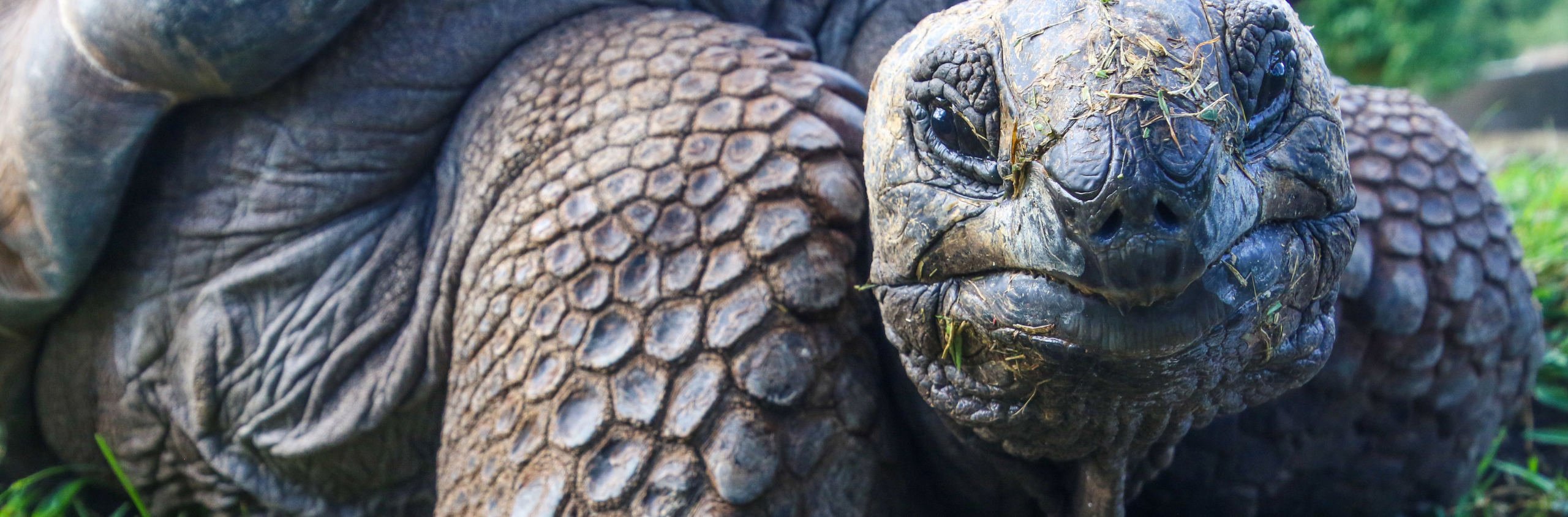
North Palm Beach County shoppers seeking low-priced pants, patio furniture, and DVD players will owe an uncomfortable debt to five dead gopher tortoises. The animals had the misfortune of digging burrows on the site of a future Wal-Mart in Lake Park—and paid the ghastly price: the state allowed developers to bury them alive, leaving them to starve or suffocate over weeks or months.
Permit cost: $11,409.
“People are upset, even in our agency, at the individual losses of tortoises,”
— Kim Jamerson, spokesperson, Florida Fish and Wildlife Conservation Commission (FWC)
A system built on permits and fees
Over the previous 14 years (since 1991), state regulators allowed as many as 74,000 gopher tortoises to be buried, collecting $47 million in fees. The outcry over the “Lake Park Five” amplified a practice that unsettles even some of its participants.
Wal-Mart’s position: burial is a last resort, and the company says it’s interested in better alternatives going forward. Yet Wal-Mart is far from alone; tortoises have impeded countless subdivisions, shopping centers, roads, and even Florida Atlantic University’s troubled football-stadium project.
Why tortoises and developers collide
Gopher tortoises thrive on high, sandy ground—the same land developers prize. Alternatives to burial carry serious drawbacks:
Off-site relocation limits: because some tortoises carry contagious respiratory disease, off-site moves are often barred.
Bad relocation outcomes: when dumped on unsuitable habitat, tortoises flee and die (traffic, dogs).
On-site “move over” permits: shifting tortoises elsewhere on the same tract can isolate populations and hinder breeding.
“It’s kind of a feel-good permit… very little biological value for the tortoises.”
— Ricardo Zambrano, FWC biologist
Ecological stakes beyond one species
Gopher tortoise burrows shelter 360+ species, according to the Gopher Tortoise Council—including owls, armadillos, snakes, the gopher frog, the gopher cricket, and a mouse species that cannot survive without these tunnels.
After 60 million years on Earth, tortoise numbers may have fallen by up to 80% in the last century due to habitat loss. The permit program’s defenders note that fees helped acquire and manage 22,000 acres of habitat statewide—land “protected forever,” says Jamerson. Critics call that math inhumane when it comes at the price of entombing living animals.
“To think they’re just entombed—would you do that to your cat or your dog or your rabbit?”
— Laurie Macdonald, Defenders of Wildlife, member of the state policy panel
Public outrage and national attention
A Humane Society alert on Nov. 23 (sparked by a resident’s tip) drew hundreds of responses nationwide.
“I was outraged and shocked… They’re basically selling their souls.”
— Cynthia Pandolfe, Honolulu, recipient of the alert
FWC staff and a state panel are now weighing ways to reduce future killings, including placing displaced tortoises on public lands and reclassifying the species as “threatened,” which could bring stronger safeguards.
“Animals are special here. We don’t just go killing animals for money.”
— Cynthia Pandolfe
Key facts at a glance
5 tortoises buried alive at Lake Park Wal-Mart site ($11,409 permit).
As many as 74,000 tortoises buried statewide since 1991.
$47 million collected in permit fees → 22,000 acres of habitat acquired/managed.
360+ species use tortoise burrows; up to 80% population decline in the past century.
How you can help
Support organizations advocating habitat protection and ethical relocation.
Share this story to raise awareness.
Urge policymakers to end entombment permits and fund science-based relocation with disease screening.