
Activist “Don’t Bury Turtles Alive
Florida’s Silent Battle: Saving the Buried Tortoises
By Charles Rabin
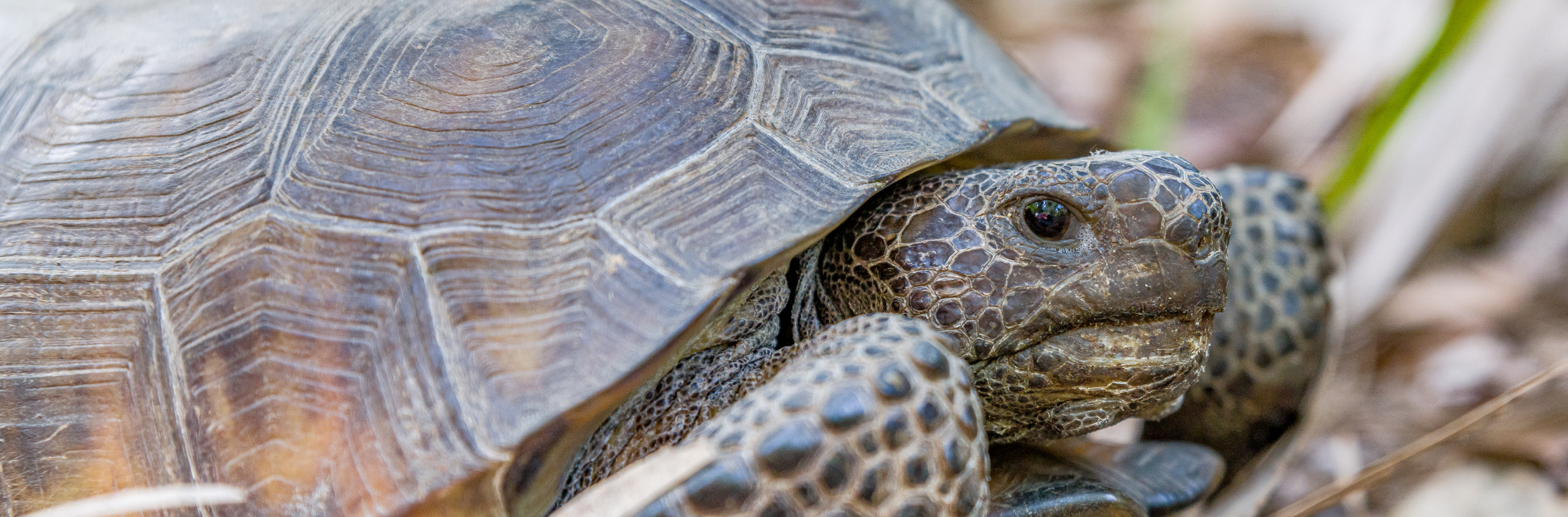
A Broward animal rights activist is taking on a powerful state agency to protect one of Florida’s most vulnerable species: the gopher tortoise. These small, burrow-dwelling reptiles are at risk of being buried alive as developers clear land for new housing projects and shopping centers.
Steve Rosen, already known for his bold animal rescue efforts, filed a lawsuit last week demanding that a judge overturn hundreds of permits issued to developers. These permits, he says, effectively allow construction crews to entomb live tortoises beneath the soil.
“This is going to be blood and guts,” Rosen vowed. “I’m going after them.”
From Jackrabbits to Tortoises
Rosen rose to prominence three years ago after a dramatic battle to save a colony of jackrabbits at Miami International Airport. Federal sharpshooters had been ordered to eliminate the rabbits, fearing that scavenging vultures attracted to their remains might collide with planes.
Instead, Rosen hired a local trapper out of his own pocket, rescuing 308 rabbits and relocating them to a Texas ranch. While federal agents later wiped out the remaining animals under cover of darkness, Rosen’s intervention made him a hero among animal advocates.
Now, his focus has shifted to the gopher tortoise — a species facing quiet but widespread destruction.
Challenging the Permits
Rosen’s lawsuit, filed in Leon County Circuit Court, targets the Florida Fish & Wildlife Conservation Commission (FFWCC). He argues the agency gives developers too much freedom to destroy tortoise burrows rather than protecting the animals. Alternatives, Rosen says, include relocating the tortoises, reducing development, or leaving land untouched.
Since 1991, the FFWCC has approved permits to fill more than 74,000 burrows. While agency reports estimate nearly 800,000 tortoises still live across the state, their numbers have plummeted by 70% since 1910. The commission itself has even recommended reclassifying the species as threatened.
Why Not Relocate Them?
Relocation seems like an obvious solution — but experts caution it’s complicated. According to FFWCC spokesperson Willie Puz, gopher tortoises often carry respiratory diseases that can devastate new populations. On top of that, their natural homing instincts make it easy for them to return to the same risky areas.
“We’re looking at ways to improve our management of the species,” Puz explained.
Biologist Ron Gaby adds another grim reality: tortoises sealed underground may linger for weeks before suffocating. “We should preserve habitat and manage it,” he said. “Let the tortoise do its own thing.”
The Wal-Mart Controversy
Public concern exploded earlier this year when a Wal-Mart in Palm Beach County was granted a permit to entomb five tortoises. In exchange, the retail giant paid $11,409 to preserve an acre and a half of land that had no active burrows.
The decision outraged Rosen:
“Don’t tell me Wal-Mart can’t afford to move five turtles,” he said.
What’s Next?
The actual number of tortoises living in South Florida remains unknown, though the largest concentrations are in Northeast Miami-Dade. Some have even been relocated to zoos, private reserves, and cemeteries.
Rosen estimates there are more than 275 active permits allowing burrow destruction or relocation. While the FFWCC would not confirm the number, it acknowledged that the Wal-Mart case sparked a flood of emails, petitions, and pressure that forced the agency to begin a statewide review of gopher tortoise management.
The review — now in draft status — recommends listing the species as threatened. If approved by commissioners, a new management plan could be implemented within 12 to 18 months.
Rosen, however, says he won’t be letting his guard down:
“Why are they killing these innocent little turtles? For money,” he said. “At the airport they cried public safety. Here, there’s no excuse.”